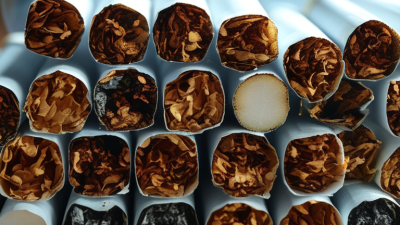
How to Effectively Throw Away Cigarettes Without Harm?
Throwing away cigarettes effectively is crucial for both personal health and environmental impact. Many smokers find it challenging to dispose of their cigarettes responsibly. The common sight of littered cigarette butts suggests a lack of awareness. It's essential to recognize how these discarded items harm our planet.
When you throw away cigarettes, consider using proper receptacles. Many places provide designated bins for cigarette waste. These bins help reduce pollution and promote a cleaner environment. Simply tossing a cigarette onto the ground contributes to larger environmental issues.
It's important to reflect on personal habits related to cigarette disposal. Are you aware of the effects? Responsible disposal can influence others positively. By making mindful choices, we can create a ripple effect in our communities. Understanding how to throw away cigarettes responsibly is a step toward better habits and a healthier environment.

Understanding the Environmental Impact of Cigarette Waste
Cigarette waste has a significant environmental impact. Cigarette butts are one of the most commonly littered items globally. Each year, trillions of butts end up in landfills and waterways. They contain harmful chemicals that leach into the soil and water, affecting wildlife. Toxins from these discarded butts can poison aquatic life and damage ecosystems. Proper disposal is crucial for reducing this environmental harm.
Many smokers may not realize how long it takes for butts to decompose. A single cigarette butt can take up to ten years to break down, while the plastic fiber in cigarette filters lasts even longer. Instead of simply tossing them aside, try collecting used butts in a designated container. This simple act can prevent them from polluting the environment. Additionally, some communities offer collection programs to recycle cigarette waste, turning it into useful products.
While the solution seems straightforward, changing habits takes time and effort. Social acceptance of littering makes it difficult for individuals to prioritize proper disposal. Smokers are often faced with a quick decision: toss it or keep it. This highlights an ongoing need for education. Encouraging responsible disposal can raise awareness about the negative impact of cigarette waste. By adopting small changes, smokers can help mitigate their footprint on the planet.
How to Effectively Throw Away Cigarettes Without Harm? - Understanding the Environmental Impact of Cigarette Waste
| Impact Category |
Description |
Waste Generated (Billion Cigarettes) |
Environmental Impact |
Recommended Disposal Method |
| Littering |
Cigarette butts are the most commonly found litter item. |
4.5 |
Pollution of natural habitats, harm to wildlife. |
Dispose of in designated waste bins. |
| Soil Contamination |
Chemicals leach into the soil from discarded butts. |
1.5 |
Toxic effect on soil quality and organisms. |
Compost if permitted, otherwise dispose of properly. |
| Water Pollution |
Butts often wash into waterways, causing pollution. |
3.0 |
Harmful effects on aquatic life and water quality. |
Use ashtrays and follow local waste guidelines. |
| Air Quality |
Incineration of waste can release harmful chemicals. |
2.0 |
Contributes to air pollution and respiratory issues. |
Seek out local recycling or waste programs. |
Safe Disposal Methods for Cigarettes and Their Packaging
Cigarette disposal is a significant environmental issue. According to the World Health Organization, over 6 trillion cigarettes are produced each year. Many of these end up as litter, harming wildlife and polluting waterways. Proper disposal methods are crucial to mitigate these impacts.
One effective method is using designated waste containers. Many urban areas now provide specific bins for cigarette butts. These containers are designed to reduce the risk of fires and keep butts out of the environment. A study by the Keep America Beautiful organization found that proper disposal methods can decrease cigarette litter by up to 50%. This reflects the importance of accessibility to disposal options.
Another option is to recycle cigarette waste through specialized programs. While recycling cigarette butts may sound unconventional, some companies are finding ways to repurpose the materials. For instance, filters can be converted into products like plastic lumber. However, awareness about these recycling initiatives remains low. Education on safe disposal methods is vital. A large percentage of smokers are unaware of the risks associated with improper disposal, leading to environmental contamination. Engaging communities in discussions about responsible disposal can create lasting change.
Alternatives to Traditional Cigarette Disposal: Eco-Friendly Options
Cigarette disposal is often overlooked in discussions about smoking's environmental impact. Traditional disposal methods can harm wildlife and ecosystems. Luckily, there are eco-friendly alternatives to manage cigarette waste properly.
One option is to use designated receptacles. Many cities are placing containers specifically for cigarette butts. These bins prevent butts from ending up on sidewalks and in nature. Users should seek out these containers when available to reduce litter. If no receptacles exist, consider carrying a portable ashtray. This simple solution allows users to dispose of their cigarettes responsibly.
Composting is another less-known alternative. Some materials in cigarette butts can decompose. However, not all butts are suitable for composting. Always check if local services accept them. Awareness and education about proper disposal are crucial. Smokers must reflect on the environmental footprint of their actions. The impact of a single butt might seem negligible, but collectively, they create significant pollution. Making small changes helps create a cleaner environment.
Local Regulations on Cigarette Disposal: What You Should Know
Cigarette disposal is a critical topic. Many people don't realize that improper disposal can harm the environment. Local regulations often outline specific ways to discard cigarettes. In many regions, there's a strong push to keep streets and parks clean.
Cigarette butts are one of the most common types of litter. They contain harmful chemicals that can leach into the soil and waterways. This is why many municipalities have established disposal regulations. Some areas provide designated bins for cigarette waste. Always check local guidelines to avoid fines and contribute positively to your community.
However, it's not just about following the rules. Reflecting on personal habits is vital. Are you throwing your butts in the trash? Many believe that this is enough, but what if more awareness is needed? Taking the time to research proper disposal methods shows responsibility. Local environmental groups often host clean-up events. Participating can help reinforce good disposal habits while fostering community spirit.
Promoting Community Awareness on Responsible Cigarette Disposal Practices
Promoting community awareness on responsible cigarette disposal practices is crucial for our environment. Many smokers may not realize that tossing a cigarette butt on the ground is harmful. Cigarette filters contain toxic materials that can leach into our soil and waterways. These toxins can harm marine life and local ecosystems.
Communities can organize clean-up events to address this issue. Educating individuals about the proper disposal of cigarette waste is essential. Clear signage in smoking areas can remind smokers to use designated disposal bins. Workshops or campaigns can highlight the impact of littering cigarette butts. This knowledge fosters a sense of responsibility among smokers.
Progress may feel slow, and some still lack awareness. However, raising consciousness about the environment connects people. It encourages dialogue about responsible behavior. Creating a cleaner community requires effort from everyone. We must challenge ourselves to be better.
 Fast Delivery & Dispatch